

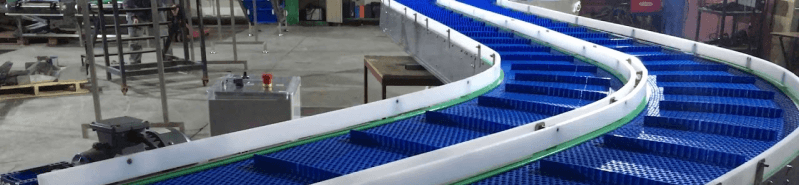
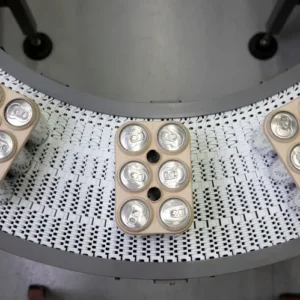
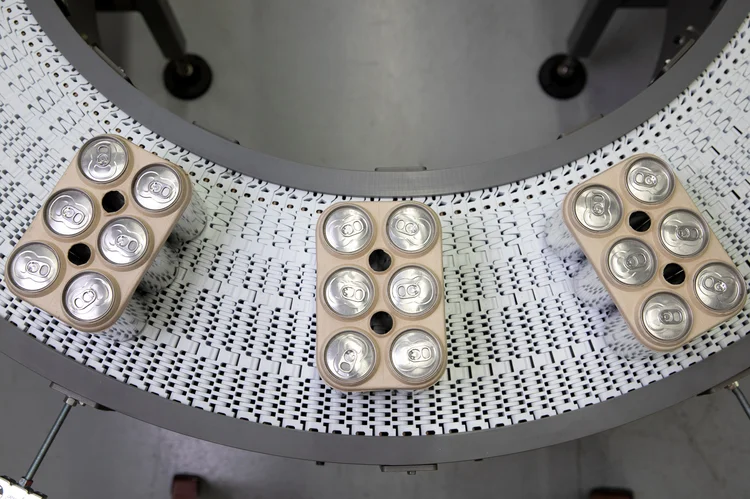
Radius Conveyor Belts can help you improve your production lines by reducing transfer points in layouts and designs. This will not compromise speed or efficiency. You will be able to enhance the performance of your current lines and be ready to handle new products and packaging formats. Radius Conveyor Belts help to reduce unscheduled downtime, maximize belt life, prevent product harm, and increase floor area and planning flexibility.
Popular Products
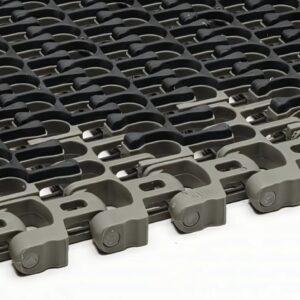
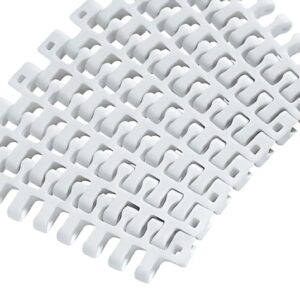
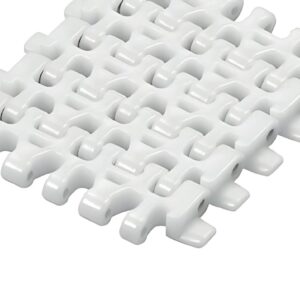
Radius Belt by Category
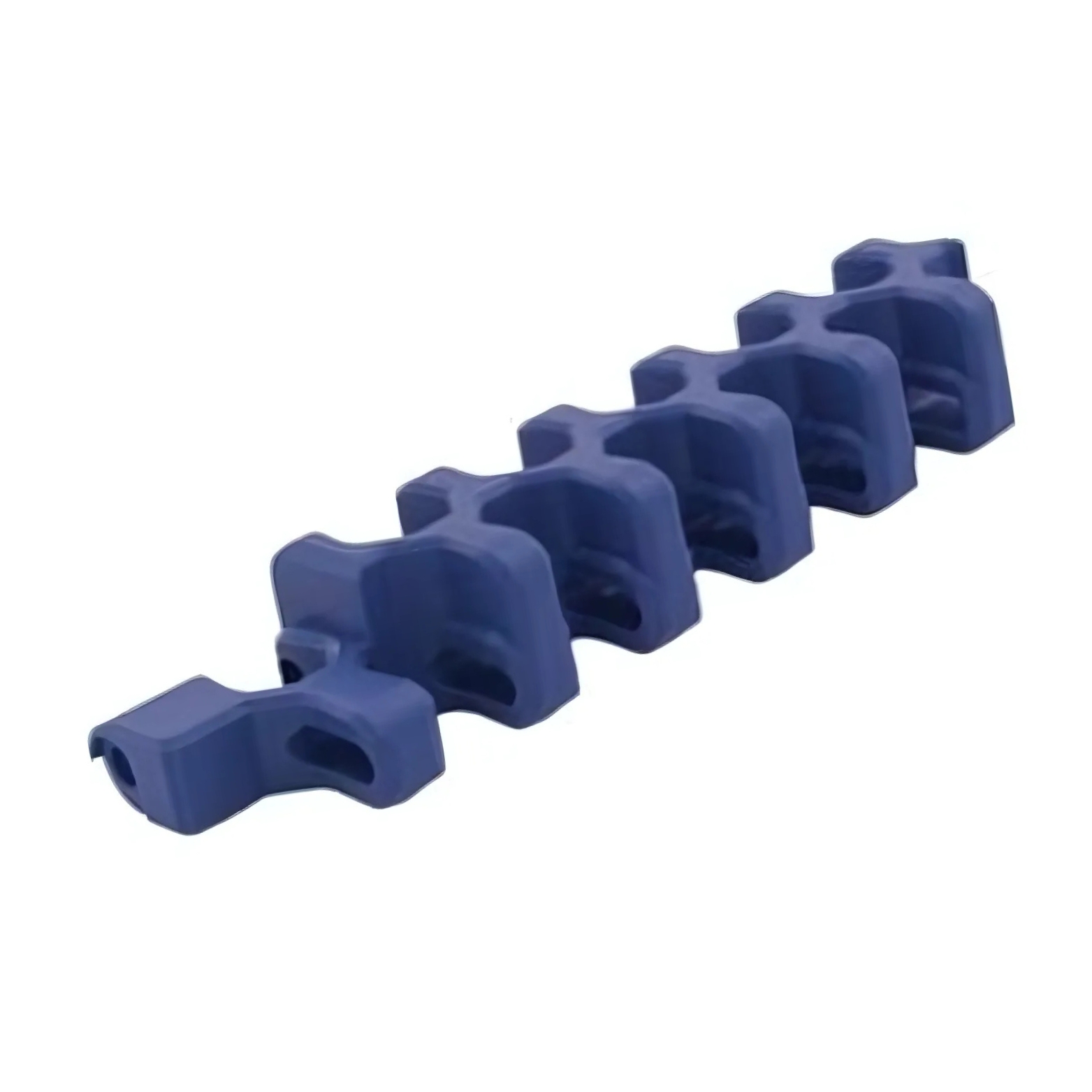

Product Category of Radius Belt
Series SF-2400T
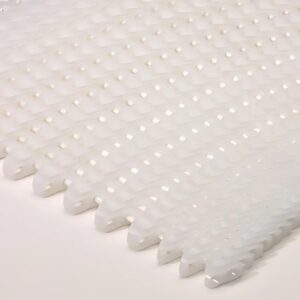
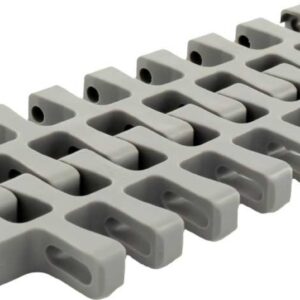
The Series SF-2400T is a Tight Turn Radius Flush Grid belt with a 1″ pitch. It features a 0.5″ thickness and an open area of 42%, making it suitable for applications requiring tight turns and efficient conveying. This belt is designed for durability and smooth operation and is ideal for food processing and material handling industries.
Series SF-500BHDEL
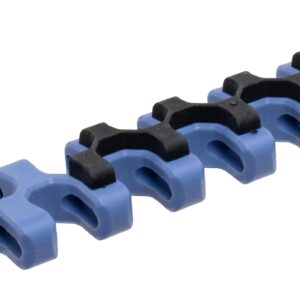
The Series SF 500BHDEL is a Radius Grip Top Flush Grid belt designed for high-performance applications. It features a 1.0″ pitch and 0.60″ thickness, with an open area of 36%. This belt is ideal for environments requiring durability and efficiency, such as food processing or material handling industries.
Series SF-300BHD
Series SF-300BHD: These radius belts are designed to withstand the tough conditions found in meat processing plants. The materials used in radius belts include ULTRA-TUFF?, ULTRA-TUFF? XMD (x-ray and metal detectable), Acetal, Polyethylene, Polypropylene, and other specialized compound resins.
Series SF-2400B
The SF-2400B Radius belts are commonly used for conveying products over long distances, through walls, and even on top of other conveyors. In other words, they are difficult to repair and extremely expensive to replace.
IS610 GT
Plastic Modular Conveyor Belts: IS610 GT
RS511
Plastic Modular Conveyor Belts: RS511
M2540 Radius Flush Grid
Plastic Modular Conveyor Belts: M2540 Radius Flush Grid
M2791 Radius Flush Grid MTW
Plastic Modular Conveyor Belts:? M2791 Radius Flush Grid MTW
Radius Belts
Radius Conveyor Belts can help you improve your production lines by reducing transfer points in layouts and designs. This will not compromise speed or efficiency. You will be able to enhance the performance of your current lines and be ready to handle new products and packaging formats.